In today's fast-paced, digitally-driven world, it's easy for the timeless magic of books to get overshadowed. Yet, the simple act of opening a book with your child can be one of the most profound and impactful experiences you share. Reading isn't just about deciphering words on a page; it's about unlocking a universe of imagination, fostering empathy, building crucial cognitive skills, and laying the foundation for a lifelong love of learning. For parents, nurturing this love and building a home library isn't just a nice-to-have, it's an investment in your child's future.

The Myriad Benefits: More Than Just a Bedtime Story
The advantages of reading for children are vast and well-documented. From their earliest days, listening to stories helps babies develop an ear for language, rhythm, and tone. As they grow, these benefits multiply:
- Boosting Brain Power: Reading is a complex cognitive task that strengthens brain connections and builds new ones. It improves concentration, memory, and problem-solving skills. When children follow a plot, predict what might happen next, or understand a character's motivations, they are engaging in critical thinking.
- Expanding Vocabulary and Language Skills: Books expose children to a richer vocabulary than they typically encounter in everyday conversation. They learn new words, understand sentence structure, and develop better communication skills – both written and verbal. This linguistic advantage sets them up for academic success and more effective self-expression.
- Nurturing Empathy and Emotional Intelligence: Stepping into the shoes of different characters allows children to experience a wide range of emotions and perspectives. They learn about empathy, compassion, and understanding different cultures and life experiences. Stories can help them navigate their own feelings and develop stronger social skills.
- Igniting Imagination and Creativity: Books transport children to fantastical lands, introduce them to talking animals, and allow them to explore worlds beyond their own. This sparks their imagination, encouraging them to think creatively and innovatively – skills that are invaluable in all aspects of life.
- Strengthening the Parent-Child Bond: Cuddling up with a book creates a special, screen-free time for connection. It’s a chance to bond, share laughter, discuss ideas, and create lasting memories. This shared experience fosters a sense of security and love.
- Improving Focus and Discipline: In a world full of distractions, sitting down with a book helps children develop the ability to focus for extended periods. This discipline translates to better concentration in school and other activities.
- A Gateway to Knowledge: Books are a fantastic source of information about the world around us. Whether it's learning about dinosaurs, different cultures, or scientific concepts, reading opens doors to endless knowledge.
Building a Treasure Trove: The Magic of a Home Library
Creating a home library, no matter how modest, sends a powerful message to your children: reading is valued in this family. It doesn't need to be an elaborate, custom-built space. A few dedicated shelves, a cozy reading nook, or even a basket filled with books can make a world of difference.
Here's why a home library is so important:
- Accessibility: Having books readily available encourages spontaneous reading. When a child is bored or curious, they can easily reach for a book.
- Ownership and Pride: Allowing children to have their own books, arrange them, and perhaps even label them, gives them a sense of ownership and responsibility.
- A Visual Reminder: Seeing books around the home normalizes and promotes reading as a regular activity.
- Variety at their Fingertips: A home library can house a diverse collection of genres and topics, catering to your child's evolving interests.
Cultivating a Lifelong Reader: Tips for Parents
Developing a reading habit takes time and consistent effort. Here are some ways to encourage your little ones:
- Start Early: Read to your baby from day one. The sound of your voice and the rhythm of the words are soothing and beneficial.
- Make it a Routine: Incorporate reading into your daily schedule, such as before bedtime or after school. Consistency is key.
- Lead by Example: Let your children see you reading. When they observe you enjoying a book, they are more likely to view reading positively.
- Visit the Library and Bookstores: Make these outings exciting adventures. Let your child choose their own books.
- Talk About Books: Discuss the stories you read. Ask open-ended questions like, "What do you think will happen next?" or "How do you think that character felt?"
- Don't Force It: If a child isn't interested in a particular book, don't push it. The goal is to make reading enjoyable, not a chore. Try a different genre or author.
- Create a Cozy Reading Environment: A comfortable, well-lit space can make reading even more inviting.
- Re-read Favorites: It’s okay if your child wants to read the same book over and over. Repetition helps with word recognition and comprehension.
- Connect Books to Real Life: If you read a book about animals, visit a zoo. If it's about baking, bake together. These connections make stories more tangible.
- Celebrate Reading Milestones: Acknowledge their progress and enthusiasm for reading.
A Few Page-Turners to Get You Started:
The world of children's literature is vast and wonderful. Here are a few examples across different age groups to inspire your home library:
-
For the Littlest Ones (0-3 years):
- "The Very Hungry Caterpillar" by Eric Carle: A classic for a reason, with its vibrant illustrations and engaging story about transformation.
- "Goodnight Moon" by Margaret Wise Brown: A soothing bedtime story that has lulled generations of children to sleep.
- Board books with textures, flaps, and bright colours like those by Usborne or DK.
-
Preschoolers (3-5 years):
- "Where the Wild Things Are" by Maurice Sendak: A tale of imagination and understanding a child's emotions.
- "The Gruffalo" by Julia Donaldson: A clever and rhyming story that children adore.
- "Don't Let the Pigeon Drive the Bus!" by Mo Willems: Hilarious and interactive, encouraging participation.
-
Early Readers (6-8 years):
- The "Elephant and Piggie" series by Mo Willems: Simple text and engaging stories perfect for emerging readers.
- The "Frog and Toad" series by Arnold Lobel: Gentle stories about friendship.
- "Charlotte's Web" by E.B. White (Read-aloud or for stronger readers): A timeless story of friendship, life, and death.
-
Middle Grade (9-12 years):
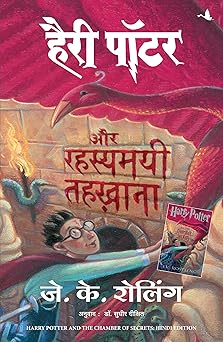
- The "Harry Potter" series by J.K. Rowling: A magical world that has captivated millions.
- "Wonder" by R.J. Palacio: A powerful story about kindness, empathy, and acceptance.
- "Percy Jackson & The Olympians" series by Rick Riordan: Adventure-packed stories blending mythology with the modern world.
This is just a tiny glimpse – the key is to explore and find what resonates with your child's unique personality and interests.
In conclusion, fostering a love for reading in your children is one of the greatest gifts you can give them. It’s an investment in their cognitive, emotional, and social development that will pay dividends for years to come. So, clear a shelf, pick out some enchanting tales, and embark on countless adventures together, one page at a time. Happy reading!
Reading is more than just a skill; it's a journey. By nurturing a love for books and creating a reading-rich environment at home, we empower our children to embark on countless adventures, explore infinite possibilities, and become the best versions of themselves. So, open a book today and share the magic with your child. The rewards will last a lifetime.

दुनिया का अनावरण: हर बच्चे को पढ़ने की आदत और घरेलू पुस्तकालय की आवश्यकता क्यों है
पल-पल बदलती डिजिटल दुनिया के इस युग में, एक किताब खोलने का कालातीत कार्य उन सबसे गहन उपहारों में से एक है जो हम अपने बच्चों को दे सकते हैं। पढ़ना केवल पन्नों पर शब्दों को समझने के बारे में नहीं है; यह नई दुनियाओं को खोलने, कल्पनाओं को प्रज्वलित करने और आजीवन सीखने के लिए एक मजबूत नींव बनाने के बारे में है। माता-पिता के रूप में, हमारे बच्चों में किताबों के प्रति प्रेम को बढ़ावा देना एक ऐसा निवेश है जो अथाह प्रतिफल देता है, उन्हें सहानुभूतिपूर्ण, जानकार और जिज्ञासु व्यक्तियों के रूप में आकार देता है।

पन्ने पलटने के असंख्य लाभ
एक बच्चे के विकास पर पढ़ने का सकारात्मक प्रभाव व्यापक और अच्छी तरह से प्रलेखित है। सबसे कम उम्र से, शब्दों को समझने से पहले ही, कहानियाँ सुनने से बच्चे के बढ़ते मस्तिष्क में महत्वपूर्ण तंत्रिका कनेक्शन बनाने में मदद मिलती है।
- संज्ञानात्मक कौशल: पढ़ना मस्तिष्क के लिए एक शक्तिशाली कसरत है। यह स्मृति को बढ़ाता है, एकाग्रता में सुधार करता है, और महत्वपूर्ण सोच कौशल विकसित करता है। जो बच्चे नियमित रूप से पढ़ते हैं वे जटिल कथाओं का पालन करना, कारण और प्रभाव को समझना और भविष्यवाणियां करना सीखते हैं - ये सभी शैक्षणिक सफलता और रोजमर्रा की जिंदगी में समस्या-समाधान के लिए महत्वपूर्ण कौशल हैं।
- भाषा और साक्षरता का खजाना: किताबें शब्दावली का खजाना हैं। पढ़ने के माध्यम से विविध शब्दों और वाक्य संरचनाओं के संपर्क में आने से बच्चे की अपनी शब्दावली का काफी विस्तार होता है और व्याकरण की उनकी समझ में सुधार होता है। यह, बदले में, उनके संचार कौशल, लिखित और मौखिक दोनों को बढ़ाता है, और साक्षरता के लिए एक मजबूत नींव रखता है। शोध से पता चलता है कि जिन बच्चों को नियमित रूप से पढ़कर सुनाया जाता है, वे स्कूल में प्रवेश करने तक अपने गैर-पढ़ने वाले साथियों की तुलना में लाखों अधिक शब्दों के संपर्क में आते हैं।
- सहानुभूति और भावनात्मक बुद्धिमत्ता का पोषण: कहानियाँ बच्चों को विभिन्न पात्रों के स्थान पर कदम रखने, उनकी खुशियों, दुखों और चुनौतियों का अनुभव करने की अनुमति देती हैं। यह यात्रा सहानुभूति को बढ़ावा देती है, जिससे उन्हें दूसरों की भावनाओं को समझने और उनसे संबंधित होने में मदद मिलती है। किताबें जटिल भावनाओं का पता लगाने और स्वस्थ मुकाबला तंत्र सीखने के लिए एक सुरक्षित स्थान भी हो सकती हैं।
- कल्पना और रचनात्मकता को बढ़ावा देना: एक किताब की दुनिया में, कुछ भी संभव है। पढ़ना बच्चों को काल्पनिक भूमि तक पहुँचाता है, उन्हें असाधारण पात्रों से परिचित कराता है, और उन्हें अपनी मानसिक छवियों की कल्पना करने और बनाने के लिए प्रोत्साहित करता है। कल्पना की यह सक्रिय व्यस्तता रचनात्मकता और नवीन सोच विकसित करने के लिए महत्वपूर्ण है।
- शैक्षणिक बढ़त: यह कोई आश्चर्य की बात नहीं है कि जो बच्चे शौकीन पाठक होते हैं वे अकादमिक रूप से बेहतर प्रदर्शन करते हैं। पाठ्यपुस्तकों को समझने, विभिन्न विषयों में उत्कृष्टता प्राप्त करने और सीखने के प्रति प्रेम विकसित करने के लिए मजबूत पठन कौशल मौलिक हैं।
- बंधन को मजबूत करना: एक साथ पढ़ना माता-पिता और बच्चों के बीच संबंध के कीमती पल बनाता है। एक किताब के साथ गले मिलना सुरक्षा, गर्मजोशी और साझा आनंद की भावना को बढ़ावा देता है, माता-पिता-बच्चे के बंधन को मजबूत करता है और स्थायी यादें बनाता है।
आश्चर्य का प्रवेश द्वार बनाना: घरेलू पुस्तकालय
एक घरेलू पुस्तकालय, चाहे कितना भी मामूली क्यों न हो, पढ़ने के मूल्य के बारे में एक शक्तिशाली कथन है। यह किताबों को सुलभ और आमंत्रित करता है, उन्हें एक घर के काम से मनोरंजन और ज्ञान के आसानी से उपलब्ध स्रोत में बदल देता है।
घर पर किताबों के लिए एक समर्पित स्थान इतना महत्वपूर्ण क्यों है?
- निरंतर निमंत्रण: किताबों को दृश्यमान और पहुंच के भीतर रखने से सहज पढ़ने को प्रोत्साहन मिलता है। एक बच्चा जो किताबों को अपने पर्यावरण के एक सामान्य हिस्से के रूप में देखता है, उसके जिज्ञासावश किताब उठाने की अधिक संभावना होती है।
- स्वामित्व और गर्व: बच्चों को अपनी किताबें रखने की अनुमति देना, और शायद अपनी विशेष किताबों की अलमारी भी, उन्हें स्वामित्व और गर्व की भावना देता है। वे अपनी किताबों की देखभाल करना सीखते हैं और उन्हें व्यक्तिगत खजाने के रूप में महत्व देते हैं।
- उनकी उंगलियों पर विविधता: एक घरेलू पुस्तकालय बच्चे की विकसित होती रुचियों को पूरा करते हुए, विभिन्न प्रकार की शैलियों और विषयों की पेशकश कर सकता है। चित्र पुस्तकों से लेकर अध्याय पुस्तकों तक, फंतासी से लेकर गैर-कथा साहित्य तक, विविधता होने से पढ़ना रोमांचक बना रहता है।
- पठन-समृद्ध वातावरण: किताबों से भरा घर यह संकेत देता है कि पढ़ना एक पोषित गतिविधि है। जब बच्चे अपने माता-पिता को पढ़ते और किताबों को महत्व देते हुए देखते हैं, तो उनके उस व्यवहार का अनुकरण करने की अधिक संभावना होती है।
एक घरेलू पुस्तकालय बनाना एक महंगा प्रयास होने की आवश्यकता नहीं है। छोटी शुरुआत करें - एक शेल्फ पर या एक आरामदायक टोकरी में कुछ पसंदीदा किताबें एक अद्भुत शुरुआत हैं। स्थानीय पुस्तकालय बिक्री, पुरानी किताबों की दुकानों पर जाएँ, या पुस्तक विनिमय में भाग लें। महत्वपूर्ण यह है कि इसे एक स्वागत योग्य और सुलभ स्थान बनाया जाए जो आपके बच्चे के साथ बढ़ता रहे।
पढ़ने के प्रति आजीवन प्रेम विकसित करना: माता-पिता के लिए सुझाव
बच्चों में पढ़ने की आदत विकसित करना एक क्रमिक प्रक्रिया है जिसमें धैर्य, उत्साह और निरंतरता की आवश्यकता होती है। उस प्रेम को पोषित करने के कुछ व्यावहारिक तरीके यहां दिए गए हैं:
- जल्दी शुरू करें, जन्म से ही: अपने बच्चे को जोर से पढ़कर सुनाएं। आपकी आवाज़ की ध्वनि और भाषा की लय सुखदायक और उत्तेजक होती है, भले ही वे शब्दों को न समझें।
- इसे एक दिनचर्या बनाएं: पढ़ने को अपनी दिनचर्या में शामिल करें, जैसे सोने से पहले। निरंतरता पढ़ने को एक परिचित और प्रतीक्षित गतिविधि बनाती है।
- पढ़ने वाले रोल मॉडल बनें: अपने बच्चों को आनंद के लिए पढ़ते हुए देखने दें। आपका उदाहरण किसी भी निर्देश से अधिक शक्तिशाली है।
- उन्हें चुनने दें: बच्चों को उन किताबों को चुनने की अनुमति दें जिनमें उनकी रुचि हो, भले ही वे बहुत आसान या दोहराव वाली लगें। चुनाव उन्हें सशक्त बनाता है और पढ़ने को अधिक मनोरंजक बनाता है।
- एक आरामदायक पठन नुक्कड़ बनाएं: पढ़ने के लिए एक आरामदायक और आमंत्रित स्थान निर्दिष्ट करें, जो टेलीविजन या टैबलेट जैसे विकर्षणों से मुक्त हो।
- किताबों के बारे में बात करें: आपके द्वारा पढ़ी गई कहानियों पर चर्चा करें। खुले अंत वाले प्रश्न पूछें जैसे, "आपको क्या लगता है कि आगे क्या होगा?" या "आपको क्या लगता है कि उस पात्र ने कैसा महसूस किया होगा?"
- नियमित रूप से पुस्तकालय जाएँ: पुस्तकालय यात्राओं को एक मजेदार सैर बनाएं। अपने बच्चे को अपनी किताबें तलाशने और चुनने दें। कई पुस्तकालय कहानी समय और पठन कार्यक्रम भी प्रदान करते हैं।
- इसे मजबूर न करें: लक्ष्य पढ़ने के प्रति प्रेम को बढ़ावा देना है, इसे लड़ाई बनाना नहीं। यदि कोई बच्चा मूड में नहीं है, तो धक्का न दें। बाद में एक अलग किताब या दृष्टिकोण के साथ पुनः प्रयास करें।
- किताबों को वास्तविक जीवन से जोड़ें: यदि आप जानवरों के बारे में कोई किताब पढ़ते हैं, तो चिड़ियाघर जाएँ। यदि यह सितारों के बारे में है, तो तारों को देखने जाएं। ये कनेक्शन कहानियों को अधिक मूर्त और यादगार बनाते हैं।
- पढ़ने के मील के पत्थर का जश्न मनाएं: पढ़ने में उनकी प्रगति और उत्साह को स्वीकार करें, चाहे वह कितना भी छोटा क्यों न हो।
पलटने के लिए कुछ पन्ने: पुस्तक प्रेरणा
बच्चों के साहित्य की दुनिया विशाल और जादुई है। आपको आरंभ करने के लिए, विभिन्न आयु समूहों के लिए कुछ उदाहरण यहां दिए गए हैं:
- छोटे बच्चों के लिए (0-3 वर्ष):
- एरिक कार्ले द्वारा "द वेरी हंग्री कैटरपिलर" (भूखा इल्ली): परिवर्तन और गिनती के बारे में एक रंगीन क्लासिक।
- मार्गरेट वाइज ब्राउन द्वारा "गुडनाइट मून" (शुभरात्रि चाँद): सोने के समय की एक सुखदायक कहानी।
- एरिक हिल द्वारा "व्हेयर इज स्पॉट?" (स्पॉट कहाँ है?): एक संवादात्मक लिफ्ट-द-फ्लैप साहसिक कार्य।
- प्रीस्कूलर (3-5 वर्ष):
- मो विलेम्स द्वारा "डोंट लेट द पिजन ड्राइव द बस!" (कबूतर को बस न चलाने दें!): एक प्रफुल्लित करने वाला और आकर्षक पाठ।
- जूलिया डोनाल्डसन द्वारा "द ग्रफ़ेलो" (ग्रफ़ेलो): एक चतुर और लयबद्ध कहानी एक तेज-तर्रार चूहे की।
- डॉन फ्रीमैन द्वारा "कॉर्डूरॉय" (कॉर्डूरॉय): घर की तलाश में एक टेडी बियर के बारे में एक दिल को छू लेने वाली कहानी।
- प्रारंभिक पाठक (6-8 वर्ष):
- मो विलेम्स द्वारा "एलिफेंट एंड पिगी" (हाथी और सुअरजी) श्रृंखला: दोस्ती के बारे में मजेदार और सुलभ कहानियाँ।
- ई.बी. व्हाइट द्वारा "शार्लोट्स वेब" (शार्लट का जाल): दोस्ती, जीवन और मृत्यु के बारे में एक कालातीत क्लासिक।
- डॉ. सीस द्वारा "द कैट इन द हैट" (टोपी वाली बिल्ली): तुकबंदी और शब्दों के खेल का एक सनकी और मजेदार परिचय।
- मध्य श्रेणी (9-12 वर्ष):
- जे.के. राउलिंग द्वारा "हैरी पॉटर" श्रृंखला: एक महाकाव्य साहसिक जिसने एक पीढ़ी को मोहित किया है।
- आर.जे. पलासियो द्वारा "वंडर" (आश्चर्य): दया, सहानुभूति और स्वीकृति के बारे में एक शक्तिशाली कहानी।
- रोल्ड डाल द्वारा "मटिल्डा" (मटिल्डा): किताबों के प्रति प्रेम वाली एक प्रतिभाशाली लड़की की एक रमणीय कहानी।
ये केवल शुरुआती बिंदु हैं। विभिन्न लेखकों, शैलियों और श्रृंखलाओं का अन्वेषण करें। सबसे अच्छी किताब वह है जिसे आपका बच्चा पढ़ना पसंद करता है।
पढ़ना एक कौशल से कहीं अधिक है; यह एक यात्रा है। किताबों के प्रति प्रेम को पोषित करके और घर पर पढ़ने के लिए समृद्ध वातावरण बनाकर, हम अपने बच्चों को अनगिनत कारनामों पर जाने, अनंत संभावनाओं का पता लगाने और खुद का सर्वश्रेष्ठ संस्करण बनने के लिए सशक्त बनाते हैं। तो, आज ही एक किताब खोलें और अपने बच्चे के साथ जादू साझा करें। पुरस्कार जीवन भर रहेगा।
Disclaimer: Affiliate links included.


No comments:
Post a Comment